
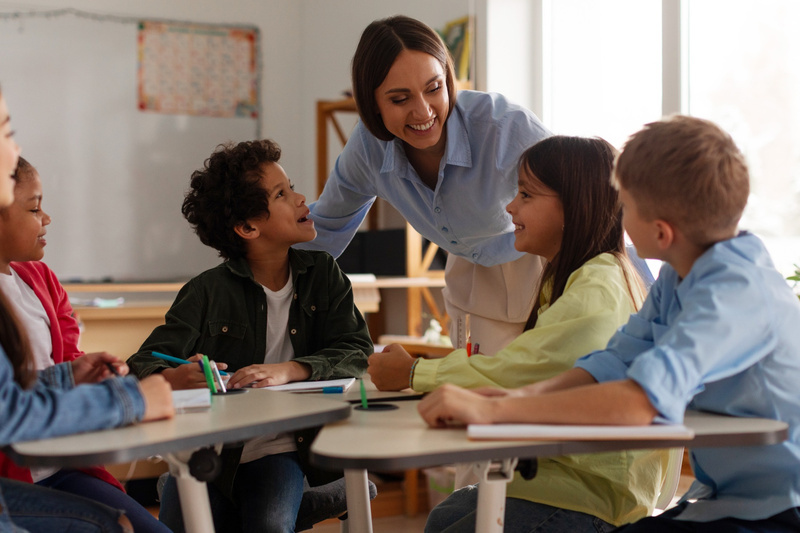
Universal Design for Learning (UDL)
The UDL Guidelines provide us with a framework for proactively designing accessible, engaging learning experiences that anticipate learner variability and remove barriers.
Explore UDLA Guide to Supporting Every Learner

THE VISION
Inclusive education is an approach to teaching and learning that ensures all students, regardless of their abilities, backgrounds, identities, or learning needs, have meaningful access to rigorous instruction, opportunities to participate, and a sense of belonging in their school communities.
At its core, inclusive education recognizes that learner variability is the norm, not the exception. Rather than expecting students to fit into a one-size-fits-all system, inclusive schools proactively identify and remove barriers, provide flexible pathways to learning, and ensure students receive the support they need to succeed while learning alongside their peers.
Importantly, inclusive education is not simply about placing students with disabilities in general education classrooms. It is about creating learning environments where every student is a valued member of the learning community, has access to work toward grade-level expectations, and can meaningfully engage in learning alongside their peers.
Achieving this requires a shared commitment from general educators, special educators, school leaders, and support staff. Through inclusive instructional practices, collaborative partnerships, and coordinated systems of support, schools can create learning experiences that maintain high expectations while responding to the diverse strengths and needs of every learner.
Discover More:
How do we build an inclusive school?
The UDL Guidelines provide us with a framework for proactively designing accessible, engaging learning experiences that anticipate learner variability and remove barriers.
Explore UDL →

By creating coordinated systems that provide strong Tier 1 instruction and additional academic, behavioral, and wellness supports when needed, students can thrive.
Explore MTSS →
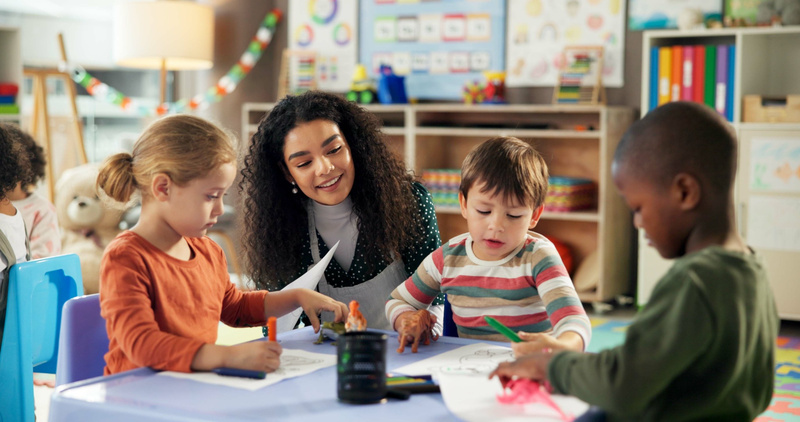
The CASEL SEL Core Competencies beautifully compliment the UDL Guidelines and help students develop the skills they need to understand themselves, build relationships, manage emotions, and participate meaningfully in learning communities.
Learn how UDL and SEL Connect →

Co-teaching brings general and special educators together to plan, deliver, and assess instruction in shared learning environments.
More on Co-teaching →
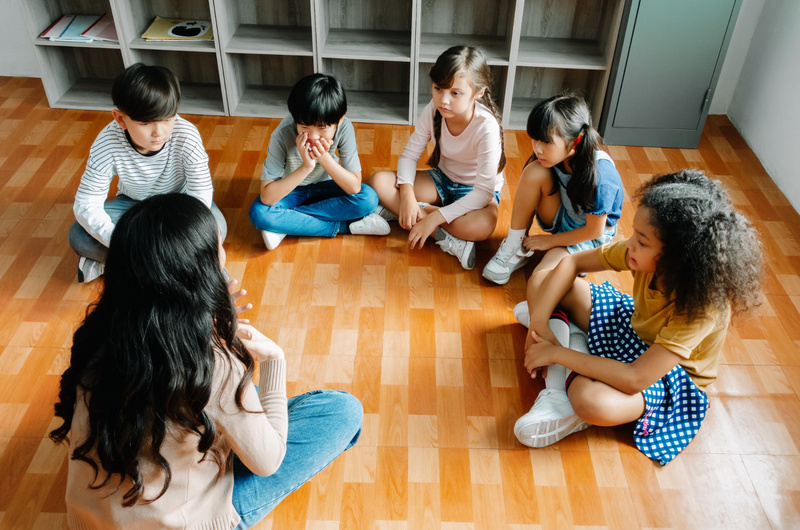
Restorative practices help to build relationships, strengthen belonging, foster accountability, and respond to conflict in ways that support a positive and inclusive school culture.
Explore Restorative Practices →

Differentiated Instruction, when layered on top of UDL, allows us to respond to individual learning needs through flexible instruction, targeted scaffolds, and ongoing learning.
See how UDL and DI are Different →
Culturally responsive teaching recognizes students' cultural backgrounds, identities, languages, and lived experiences as assets that enrich learning.
Becoming a Culturally Responsive Leader →Inclusive Education in Practice
FROM VISION TO ACTION
Begin by examining how students experience learning across classrooms and school environments. Use classroom observations, student and family feedback, and existing school data to identify instructional strengths and barriers to access and participation.
Get Support Conducting a Needs Assessment →Develop a common understanding of what inclusive education looks like in practice in your environment. Engage educators, students, families, and school leaders in identifying shared goals that emphasize access to rigorous instruction, meaningful participation, and belonging. Focus on a manageable number of priorities that align with existing school improvement efforts.
Blog: Is Your Vision Statement Out of Reach? →Inclusive practices become sustainable when educators have opportunities to learn, collaborate, apply new strategies, and reflect on their impact. Move beyond one-time professional development by incorporating instructional coaching, collaborative planning, peer observations, and professional learning communities into existing structures.
Explore Professional Learning →Strengthen inclusive Tier 1 instruction while ensuring that students who need additional support receive it through coordinated, responsive systems. Clarify how general educators, special educators, interventionists, and school leaders share responsibility for student success.
Create Coherence in Your School →Inclusive education is an ongoing process of improvement. Use multiple sources of evidence to understand whether changes in instruction and schoolwide systems are improving access, participation, belonging, and learning outcomes. Celebrate progress, listen to student and educator experiences, and adjust practices when barriers persist.
How to Monitor Progress →