
When we support educators around the world, we often hear, “We would love more practical strategies to implement UDL.” One challenge in our field is that there is no single strategy that will work equally well for all learners.
Universal Design for Learning (UDL) is more than a list of strategies. It is a framework for designing instruction that is accessible and engaging for all learners. Within that framework, evidence-based instructional strategies and routines are essential to supporting learning. But UDL also encourages us to think about how we design learning experiences from the start. This includes using design strategies and routines to anticipate barriers, build in flexibility, and empower learners to explore, select, and reflect on the strategies that work best for them.
When used intentionally, these design strategies and routines can make learning environments more accessible, engaging, and student-led, while also reducing teacher workload (and who doesn’t need more balance in their lives?).
Now, before we get into the strategies, remember that teaching is both an art and a science, and designing a lesson with options and choices doesn’t automatically lead to improved learning outcomes. Design strategies need to be paired with effective instructional practices, formative assessment, targeted differentiated instruction, and ongoing reflection and feedback.
With that in mind, here are 8 practical UDL strategies you can start using in your classroom to make learning more accessible, engaging, and inclusive for every student.
Make Learning Goals and Success Criteria Clear
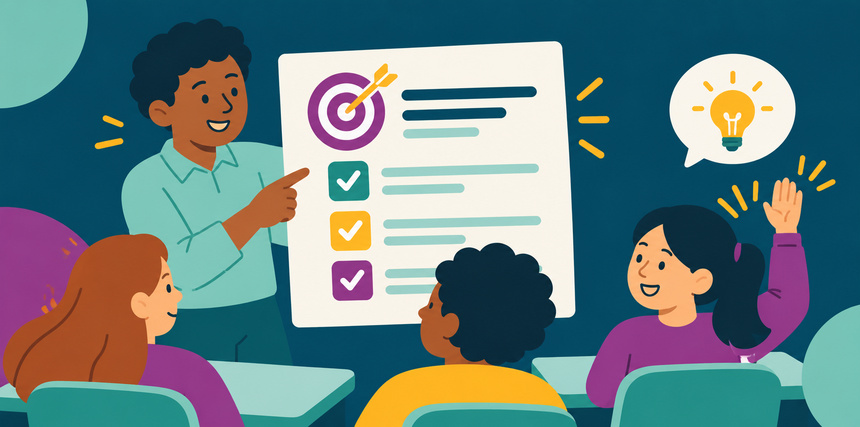
One of the core tenets of UDL is firm goals and flexible means. While flexibility and choice are essential to creating accessible and engaging learning experiences, they are far more effective when grounded in a clear learning goal. When educators are clear about what students are working toward, they can intentionally design options and choices that minimize barriers, maintain high expectations, and provide multiple pathways to success. Additionally, when students know where they are headed, they can make more responsible choices about getting there.
So, how do you make learning goals more transparent to students? Start by unpacking the learning goal and asking yourself: Is this something students need to know or understand, or is there a specific skill they need to demonstrate? Understanding the difference between content goals and methods goals is critical to determining where flexibility is appropriate.
For example, if the goal is for students to explain a new concept, we can offer options for how they demonstrate their understanding, such as writing, creating a presentation, or recording a video. However, if the goal is for students to produce a piece of writing, the final product needs to be writing. We can still provide flexibility throughout the process, including options for brainstorming, organizing ideas, and drafting. Students might write by hand, type, or use speech-to-text, and we can offer a variety of scaffolds to support their success. After all, we can't assess students' writing skills if they demonstrate their learning through a skit or video instead.
Once you’re clear on the type of goal you’re working with, make it visible to students. And yes, I've seen the hilarious Instagram reels about posting learning goals just so an administrator can walk by and check a box! But making learning goals visible is so much more than a compliance exercise. Students may forget the goal, may not have fully processed it when it was shared verbally, or may not have been in the classroom when it was introduced. Having the goal visible gives students something they can continually reference throughout the learning process.
But posting the goal is just the beginning! Take time to discuss it with students, unpack unfamiliar vocabulary, and explore why the learning matters. Then, work together to identify clear success criteria so students understand what meeting the goal actually looks like. These success criteria can become a checklist or rubric that students use to monitor their progress, reflect on their learning, and identify what they need next.
Related Blog: How Clear Learning Intentions Lead to Deeper Learning
Plan for Barriers to Learning

Once you have instructional clarity, it’s time to take out your crystal ball! You might be thinking, “Hang on here, this isn’t a strategy,” but stick with me. Anticipating barriers is likely one of the most important UDL strategies.
Whenever I think about an upcoming lesson, I imagine the full spectrum of learner variability I might encounter. In a typical classroom, I would expect to have English language learners (ELLs), students reading significantly below grade level, students who are twice exceptional, and students who have already exceeded grade-level expectations. I would anticipate students who need support with executive functioning, students who are neurodivergent, students experiencing anxiety, and students who bring a wide range of background knowledge and experiences. Some students may thrive when collaborating with peers, while others may prefer opportunities to work independently. Some may be incredibly outgoing, while others are more reserved. And of course, students bring different strengths, interests, and preferences that can change from day to day.
The point is that I need to plan for all of this variability when designing instruction, rather than waiting until students encounter barriers to learning.
So, how does understanding this variability help us anticipate barriers? Start with an upcoming lesson and ask yourself three questions:
- Engagement: Given the range of student interests, experiences, and preferences, what might make it difficult for some students to engage in the learning or persist through challenges?
- Representation: Given the range of background knowledge, language skills, and reading abilities, what might make it difficult for some students to access and understand the content?
- Action & Expression: Given the range of executive functioning skills, strengths, and preferences, what might make it difficult for some students to participate, demonstrate their learning, or work toward the goal?
For example, if I’m planning a lesson focused on reading a complex scientific text, I might anticipate that some learners will need additional background knowledge, vocabulary support, decoding support, or English language support to access the text. Rather than leveling the text or lowering expectations, I can proactively design options that help students engage with the same complex content.
- I could provide a vocabulary list and invite students to work independently or with partners to find visuals that represent each word before reading.
- I could offer a short mini-lesson to build background knowledge before reading, with options for students to capture notes in ways that work best for them.
- I could provide the text in print or digital formats, allowing students to use tools such as text-to-speech or translation for an initial reading. Students could also choose to read with a partner or in a small group.
For inspiration for the type of options you can provide, you can use the UDL Guidelines to identify potential barriers, then build in flexible options to address them while keeping your learning goal firm. Just 1 or 2 is fine! For example, if a text-heavy lesson might create barriers to comprehension, consider offering an audio version or visual supports alongside the text.
Ready to Use Tool: Download the Barrier Flowchart to Get Started
Build Belonging With Students
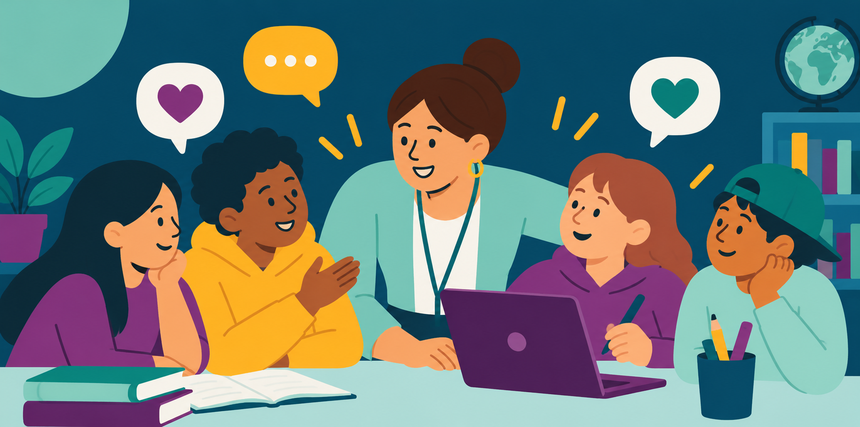
Time is a precious commodity in schools, and with pacing guides to follow and standards to cover, it's tempting to jump straight into content. But here's the thing: Building relationships isn't taking time away from learning. It's creating the conditions for learning to happen. When students feel a sense of belonging, they're more likely to engage, take risks, and persist through challenges.
The first two minutes of class can be an incredible opportunity to build community while helping students get ready to learn. Inclusive welcomes can invite students to reflect, activate background knowledge, move their bodies, collaborate with peers, or make connections to the day's learning. One of my favorite strategies is to pose a question and give students options for how they respond. They might write in their notebooks, draw a picture, or talk with a partner. They always have options to sit, stand, or move around the classroom. This creates opportunities for every student to participate, make a choice, and experience a sense of belonging from the very beginning of class.
For example, students might respond to questions like:
- What's one thing you already know about today's topic, and what's something you're curious about?
- What's something that helped you learn yesterday that you want to try again today?
- What's one connection you can make between today's topic and something you've experienced or learned before?
Related Blog: How to Help Your Students Feel a Sense of Belonging.
Use “Would You Rather?” Questions to Offer Meaningful Choices
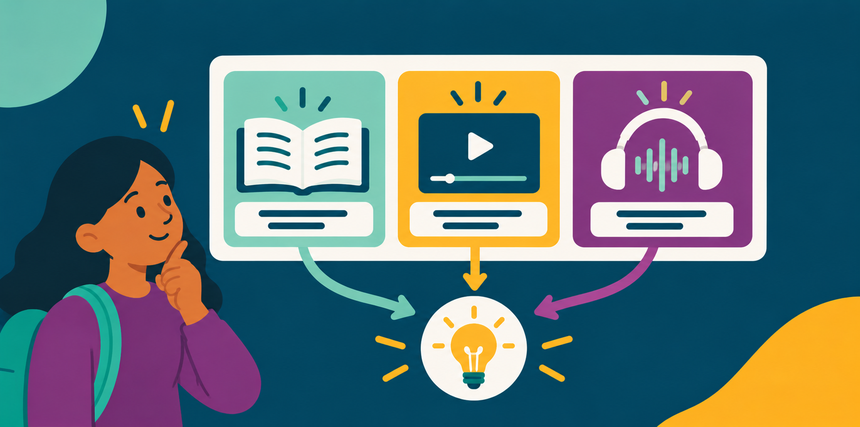
Choice is a powerful way to build student engagement, but not all choices are created equal. With UDL, the goal isn't to give students unlimited options. It's to provide meaningful choices that support the learning goal while allowing students flexibility in how they get there.
One simple strategy is to use the classic “Would You Rather?” question. Would you rather demonstrate your understanding by writing an argument or recording a podcast? Would you rather work independently or collaborate with a partner? Would you like to start writing your essay by creating an outline or using a graphic organizer? By offering two purposeful options, you can build student agency without compromising rigor.
The key, as I shared in Strategy #1, is to keep the learning goal firm while making the pathway flexible. Before offering a choice, ask yourself: Does this option help students work toward the same goal? If the goal is to demonstrate persuasive writing skills, for example, a podcast wouldn't be a valid assessment of writing. But if the goal is to construct an evidence-based argument, both formats might work.
Related article: Would You Rather? Optimizing Choice through Instructional Design
Sprinkle Emotional Literacy throughout the Day
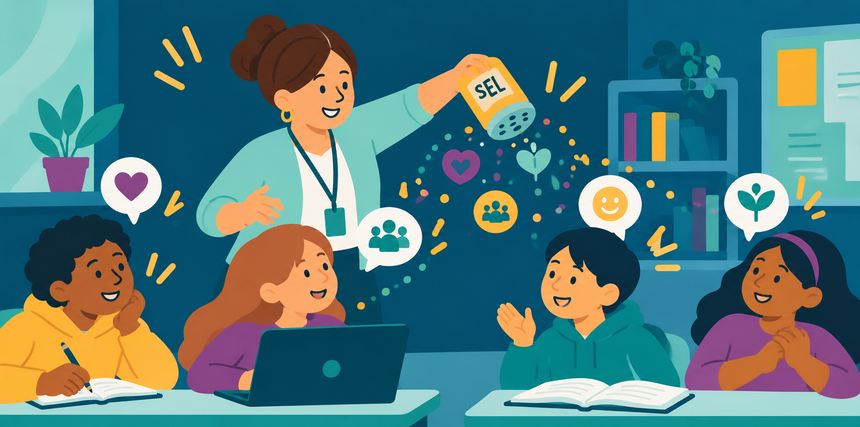
Emotions influence how students engage in learning, respond to challenges, collaborate with peers, and persist when tasks become difficult. When students can recognize what they're feeling, understand how those emotions affect their learning, and identify strategies that help them stay engaged, they're better equipped to navigate challenges and advocate for what they need. These skills don't develop automatically. Like any other skill, emotional literacy benefits from explicit instruction, modeling, practice, and feedback.
Try these three strategies with learners of any age:
- Incorporate brief check-ins that invite students to recognize how they're feeling, identify what they need, and consider how their emotions might affect their learning. Over time, help students build the vocabulary to describe their emotions more precisely.
- Explicitly teach and model strategies for navigating frustration, stress, or uncertainty. Think aloud about when and why you might take a break, use a breathing strategy, seek clarification, or adjust your approach to a challenging task. Give students opportunities to practice these strategies before they need them.
- Build flexibility into learning experiences through options for pacing, movement, breaks, and self-monitoring tools. Encourage students to reflect on which strategies support their learning, recognize when they need additional support, and communicate those needs in ways that work for them.
- Intentionally design the learning environment to support emotional wellness. Consider how lighting, visual displays, classroom organization, flexible seating, and access to resources can minimize unnecessary stress and help students feel comfortable, included, and ready to learn. Invite students to share what helps them feel supported in the classroom and use their feedback to make adjustments.
The goal is to help students recognize their emotional needs and independently use strategies to stay focused, engaged, and ready to learn.
Tool Alert: Use our Inclusive Learning Environment Observation Tool to reflect on how your physical space supports accessibility, emotional wellness, and student agency.
Try Them All Before Choosing
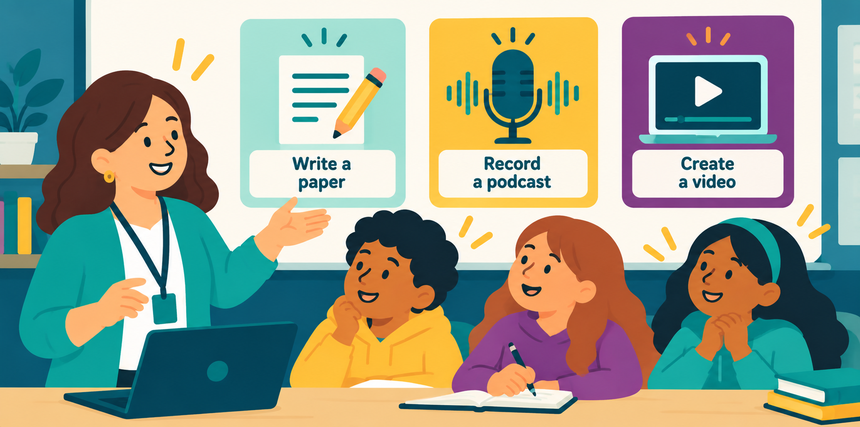
As a teacher, you probably know the monotony of grading 25 projects that all look exactly the same. UDL opens the door to more flexible ways for students to demonstrate their learning, but sometimes we offer choices, and they fall flat. Everyone picks the same option! Ugh.
Here's the thing: Students may not choose a new pathway simply because they've never tried it or don't know how to get started. Before declaring choice a failure, we need to make sure students have the skills, experiences, and confidence to explore different options.
The solution? Give students opportunities to try different pathways before asking them to choose. For example, imagine students are working toward a social studies standard and can demonstrate their understanding by writing an argument, recording a podcast, or creating a video. Before presenting the choice, model each approach, share exemplars, and provide low-stakes opportunities for students to experiment. They might write a short argument one day, record a brief audio response the next, and create a short video explaining their thinking later in the week.
After students have experienced each option, don't just ask them to choose. Ask them to explain what they're choosing and why. For example, a student might choose to write because organizing their ideas into paragraphs helps them develop a stronger argument. Another might choose a podcast because explaining their thinking aloud helps them communicate their ideas more clearly. A third might choose video because combining visuals with narration helps them communicate complex ideas.
This is also an opportunity to help students distinguish between productive challenges and barriers to access. A student might recognize that writing an argument is challenging because they need more practice organizing evidence, but that doesn't necessarily mean writing is the wrong choice. Another student might recognize that the technology required to create a video is getting in the way of demonstrating their understanding and decide that a podcast would be a more effective pathway.
The goal is to help students recognize the difference between "This is hard, and practice will help me grow" and "This isn't accessible to me yet, and I need a different pathway or additional support." When students can explain what they're choosing, why they're choosing it, and how that choice supports the learning goal, they're developing the self-awareness and agency to make increasingly purposeful decisions about their learning.
Tool Alert: Use the Building Self-Awareness Tool to help students better understand where they might struggle and need some strategies to move forward.
Use Exemplars and Rubrics to Help Students Monitor Their Progress
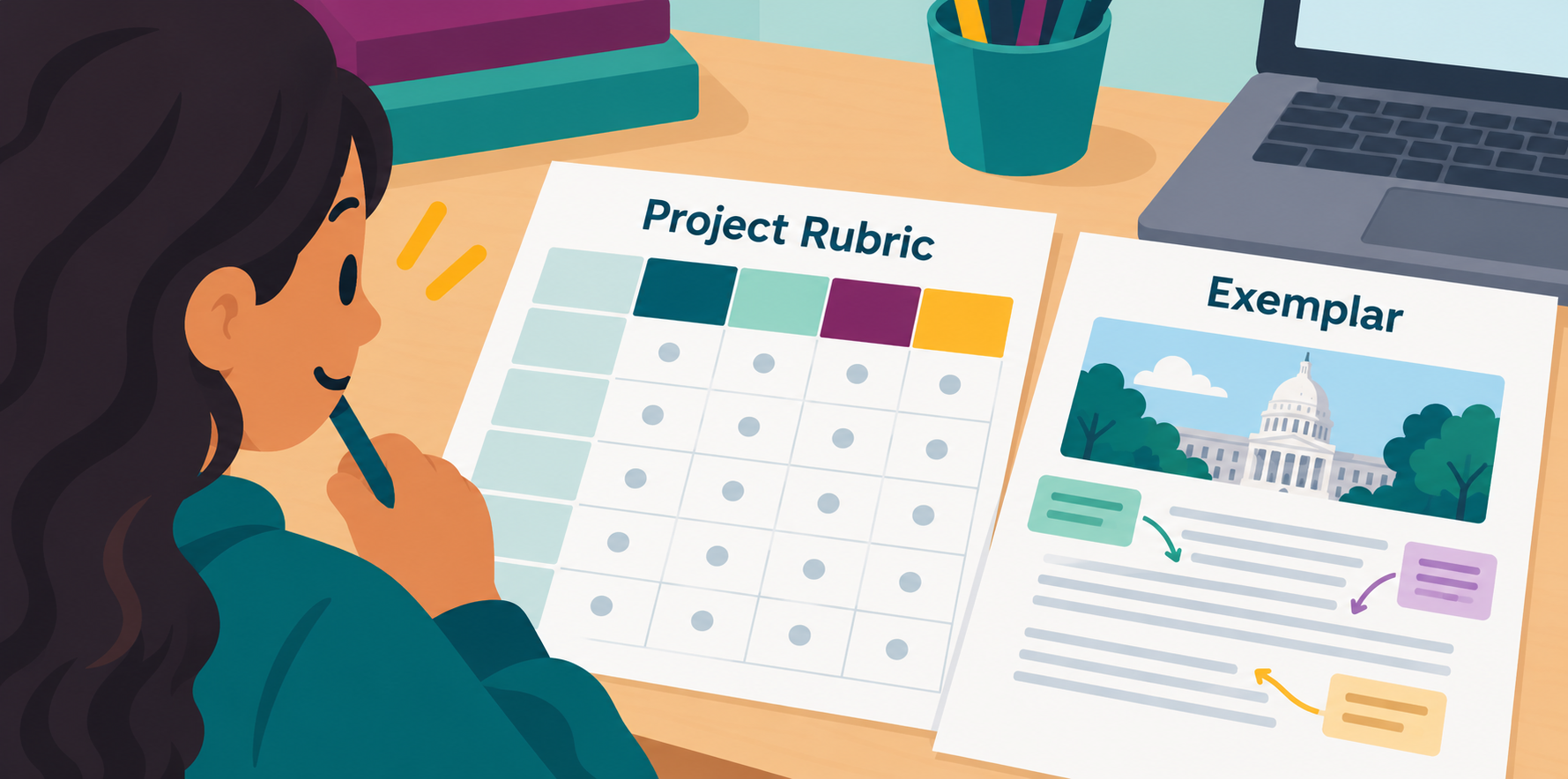
Students are more likely to take ownership of their learning when they understand what success looks like and can recognize their own progress toward it. That's where exemplars and rubrics come in.
Before students begin a task, share examples of successful work and unpack the criteria that make those examples effective. Better yet, invite students to evaluate an exemplar using the rubric and discuss what they notice. You can also share non-examples that don't yet meet the success criteria and ask students to identify what's missing and how the work could be improved. Comparing examples and non-examples helps students develop a clearer understanding of quality work and makes expectations concrete rather than leaving students to guess what you're looking for.
Then, encourage students to revisit the rubric throughout the learning process, not just when they submit their final work. Build in opportunities for self-assessment, reflection, and feedback so students can identify what they're doing well, where they need support, and what they might try next.
Related Blog: Holistic, Analytic, and Single-Point Rubrics, Oh My
Make Scaffolds Available to Every Student
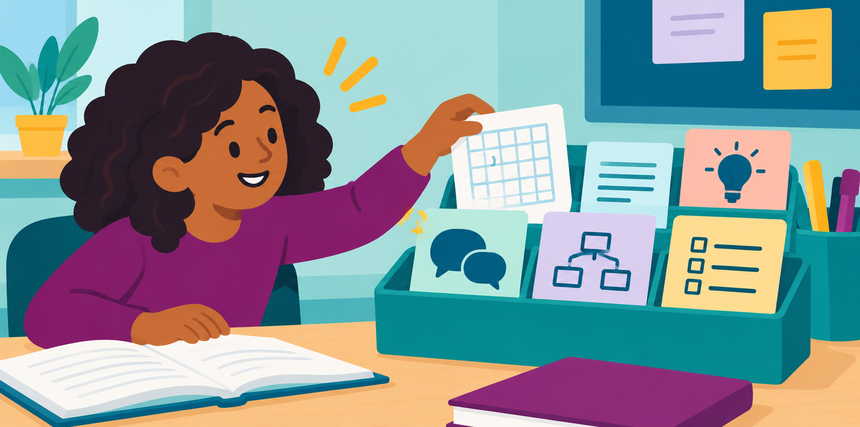
If we truly want to create inclusive classrooms and build learner agency, we need to give students access to resources that help them meet learning goals while helping them develop the decision-making skills to determine when those resources are needed and when they are ready to move forward without them.
For example, many students with IEPs have accommodations that require teachers to clarify directions. Whenever I saw an accommodation like this, I made sure that ANY student had the option to meet with me for clarification.
This strategy is so simple! Whenever you introduce an assignment, review the directions as you normally would. Then, when you release students to work, say something like, “I know I sometimes go through directions quickly, so if you have a question or want me to review the directions one more time, come meet with me in a small group so we can make sure you're ready to get started.”
At the beginning of the school year, I would privately remind students with IEPs that this option was designed to support them, but I always had several other students join me.
The beauty of this approach is that students don't have to have an identified disability or formally request an accommodation to access the support they need. By anticipating that some students may benefit from hearing directions again, we can build that flexibility into the lesson from the start.
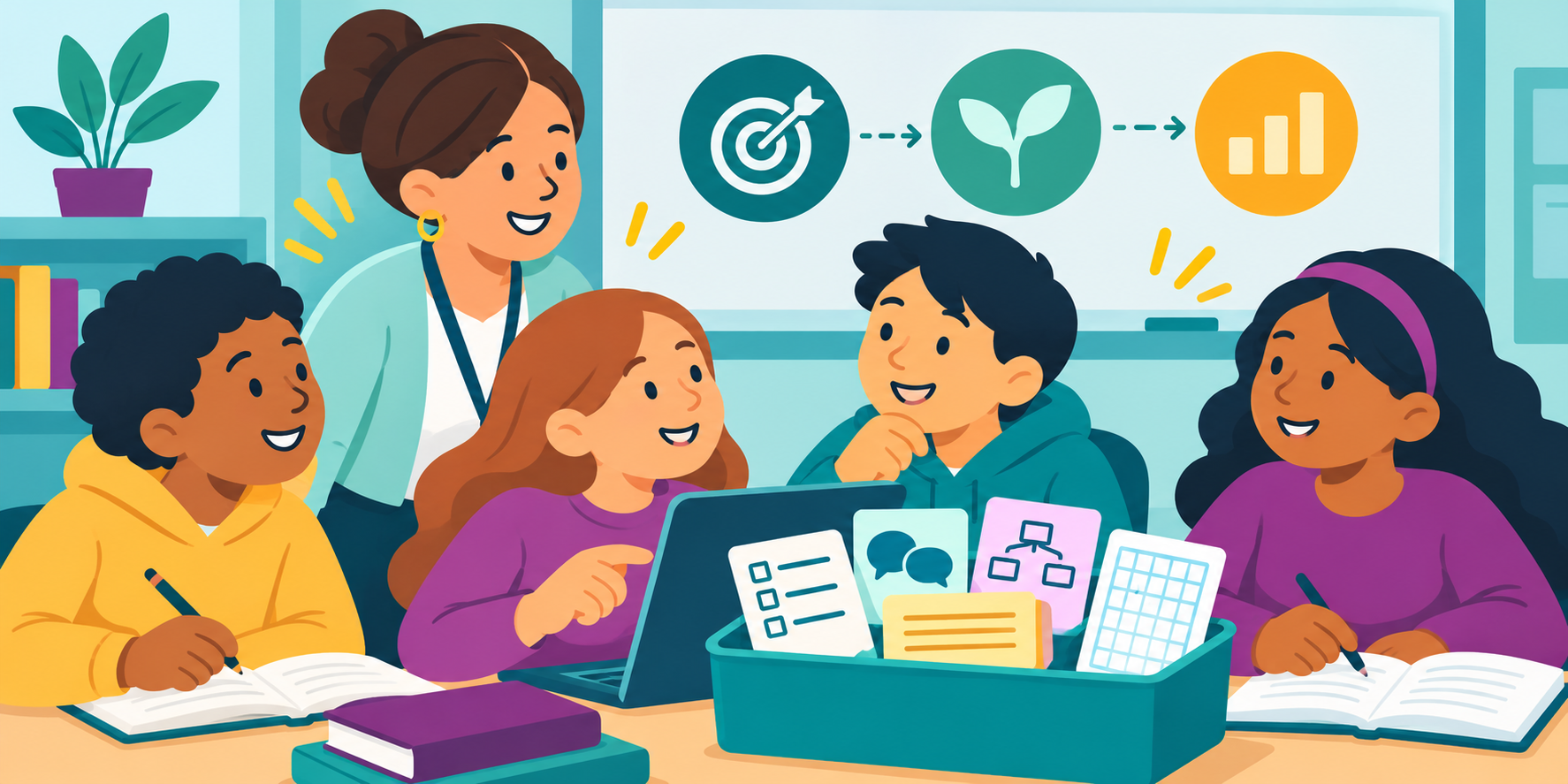
Another simple strategy is to create a classroom library of learning supports that students can access independently, such as graphic organizers, word banks, sentence stems, checklists, and planning templates. Make these tools easy to find, explicitly model when and how to use them, and regularly remind students they're available. Better yet, encourage students to reflect on which supports help them with different tasks so they can make increasingly purposeful choices. Most importantly, normalize their use! Students shouldn't feel singled out or embarrassed for using a resource that helps them learn.
As students become more proficient with a task, encourage them to reflect on whether they still need the scaffold. Communicate your confidence in their ability to work more independently, invite them to try without the support, and provide feedback to help them reflect on how it went.